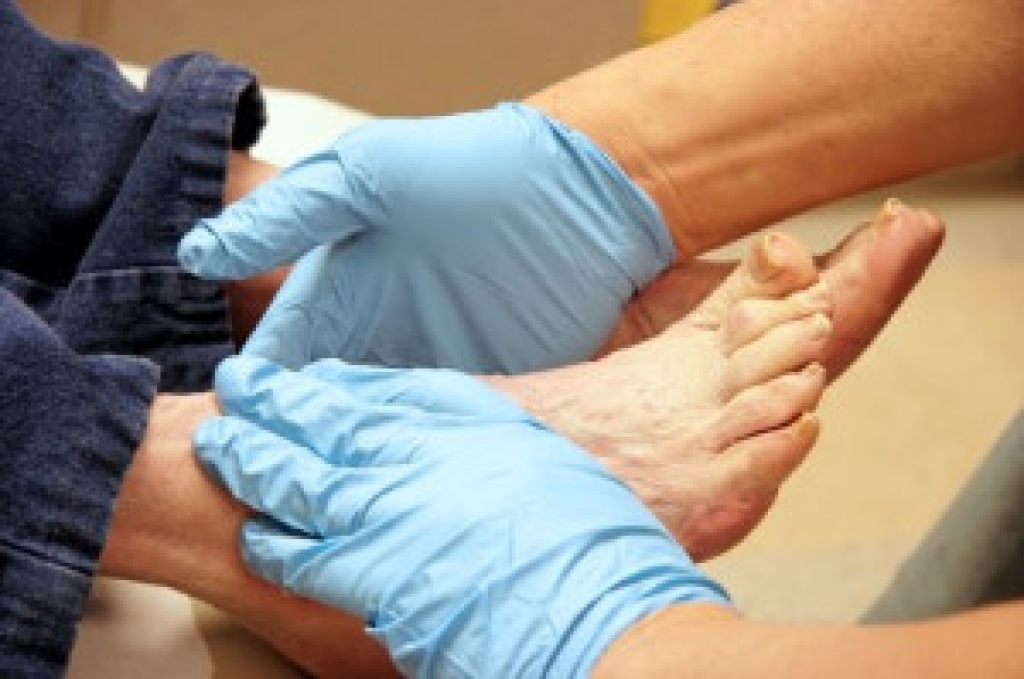
Diabetic limb salvage focuses on preserving a foot or lower limb when diabetes has caused a serious wound. Diabetes can damage nerves in the feet, making injuries harder to notice. Blood vessel disease can further complicate diabetic foot ulcers by reducing circulation needed for healing. When a small injury progresses, it may develop into persistent ulceration and eventually damage bones or joints. Advanced diabetic foot disease can lead to limb loss when the damage becomes too extensive to reconstruct. For this reason, assessment and timely management are important when diabetic foot wounds develop.
Not every diabetic foot wound requires the same approach. The source describes limb salvage as a possible option for appropriately selected patients with complex or complicated wounds. Evaluation of blood flow is essential because narrowed arteries can interfere with healing. In some cases, circulation must be improved before treatment of the ulcer can move forward. More serious wounds may require removal of damaged tissue followed by reconstructive surgery. However, deciding whether reconstruction is appropriate requires evaluation because some wounds may be too advanced for successful salvage.
A podiatrist can play an important role in identifying diabetic foot problems and determining when more advanced care is necessary. Evaluation may include checking the wound and assessing changes related to nerve damage. Blood flow must also be considered. Diabetic limb salvage can involve several specialists when circulation problems or complex reconstruction are present. The goal is to manage serious diabetic foot wounds while preserving a functional limb whenever reconstruction is appropriate. Early attention is important because progressive ulcers can damage deeper structures and make limb preservation more difficult. If you have diabetes and develop a persistent foot ulcer or foot wound, it is suggested that you consult a podiatrist promptly for an evaluation and appropriate treatment options.
Limb salvage can be an effective way in preventing the need for limb amputation. If you have diabetes, cancer, or any other condition that could lead to foot amputation if left unchecked, consult with one of our podiatrists from Whitestone Podiatry PC. Our doctors will assess your condition and provide you with quality foot and ankle treatment.
What Is Limb Salvage?
Limb salvage is the attempt of saving a limb, such as the foot from amputation. Podiatrists also try to make sure that there is enough function in the foot after the salvage that it is still usable. Diabetes is the number one cause of non-traumatic amputations in the United States. Those with diabetes experience poor blood circulation, which prevents proper healing of an ulcer. If the ulcer is left uncheck, it could become infected, which could result in the need for amputation.
However, there are other causes as well, such as cancer and traumatic injury. Links between higher mortality rates and amputation have been found. This translates into higher healthcare costs, and a reduced quality of life and mobility for amputees. Podiatrists have attempted to increase the prevalence of limb salvage in an attempt to solve these issues.
Diagnosis and Treatment
Limb salvage teams have grown in recent years that utilize a number of different treatments to save the infected limb. This includes podiatrists that specialize in wound care, rehabilitation, orthotics, and surgery. Through a combination of these methods, limb salvage has been found to be an effective treatment for infected limbs, and as an alternative to amputation. Podiatrists will first evaluate the potential for limb salvage and determine if the limb can be saved or must be amputated.
If you have any questions, please feel free to contact our office located in Whitestone, NY . We offer the newest diagnostic and treatment technologies for all your foot care needs.
