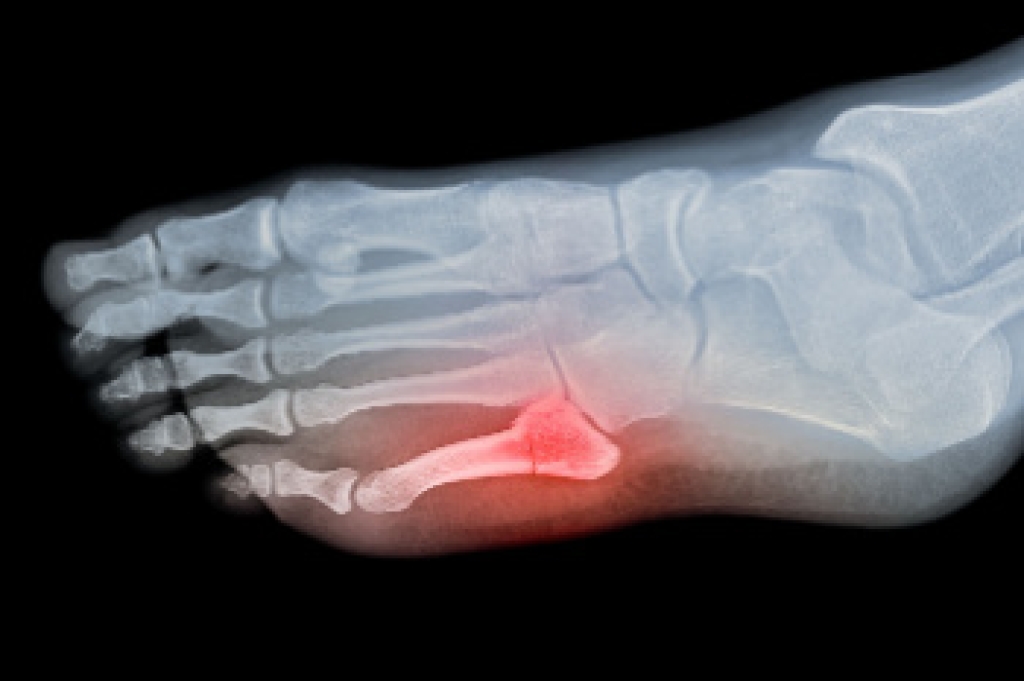
A toe fracture is a break in one of the small bones of the toes, known as phalanges. These injuries are among the most common lower extremity fractures because the toes are exposed and vulnerable during daily movement. Toe fractures often occur from direct trauma, such as stubbing a toe against a hard surface or dropping a heavy object on the foot. While some fractures are minor and stable, others can involve joint disruption or displacement, which may require more advanced care. Understanding the nature of this injury is important for timely diagnosis and proper healing.
Symptoms of a toe fracture can vary depending on severity, but pain is usually immediate and sharp at the time of injury. Swelling and bruising often develop within hours, and the affected toe may appear misaligned or deformed in more serious cases. Many individuals experience difficulty bearing weight or walking comfortably. Tenderness when touching the toe and limited range of motion are also common signs. In some cases, small fractures may be mistaken for sprains, which can delay appropriate treatment and prolong recovery.
Several risk factors increase the likelihood of sustaining a toe fracture. Walking barefoot in the home or outdoors raises the chance of accidental trauma. Participating in high impact sports or activities that involve running and jumping can also increase risk. Individuals with reduced bone density, such as those with osteoporosis, may be more prone to fractures even with minor injuries. Poor balance, cluttered environments, and ill-fitting footwear further contribute to the risk of stubbing a toe or experiencing direct impact.
Treatment for toe fractures depends on the type and severity of the break. Many simple fractures can be managed with rest, elevation, and protective footwear to limit movement. Buddy taping, which involves securing the injured toe to an adjacent toe, is often used to provide stability. More complex fractures may require immobilization or surgery to restore proper alignment. Early evaluation ensures that healing occurs correctly and reduces the risk of long term complications. If you have broken your toe, it is suggested that you consult a podiatrist for an accurate diagnosis and appropriate treatment.
A broken toe can be very painful and lead to complications if not properly fixed. If you have any concerns about your feet, contact one of our podiatrists from Whitestone Podiatry PC. Our doctors will treat your foot and ankle needs.
What to Know About a Broken Toe
Although most people try to avoid foot trauma such as banging, stubbing, or dropping heavy objects on their feet, the unfortunate fact is that it is a common occurrence. Given the fact that toes are positioned in front of the feet, they typically sustain the brunt of such trauma. When trauma occurs to a toe, the result can be a painful break (fracture).
Symptoms of a Broken Toe
- Throbbing pain
- Swelling
- Bruising on the skin and toenail
- The inability to move the toe
- Toe appears crooked or disfigured
- Tingling or numbness in the toe
Generally, it is best to stay off of the injured toe with the affected foot elevated.
Severe toe fractures may be treated with a splint, cast, and in some cases, minor surgery. Due to its position and the pressure it endures with daily activity, future complications can occur if the big toe is not properly treated.
If you have any questions, please feel free to contact our office located in Whitestone, NY . We offer the newest diagnostic and treatment technologies for all your foot care needs.
