Causes of Swollen Feet and Ankles

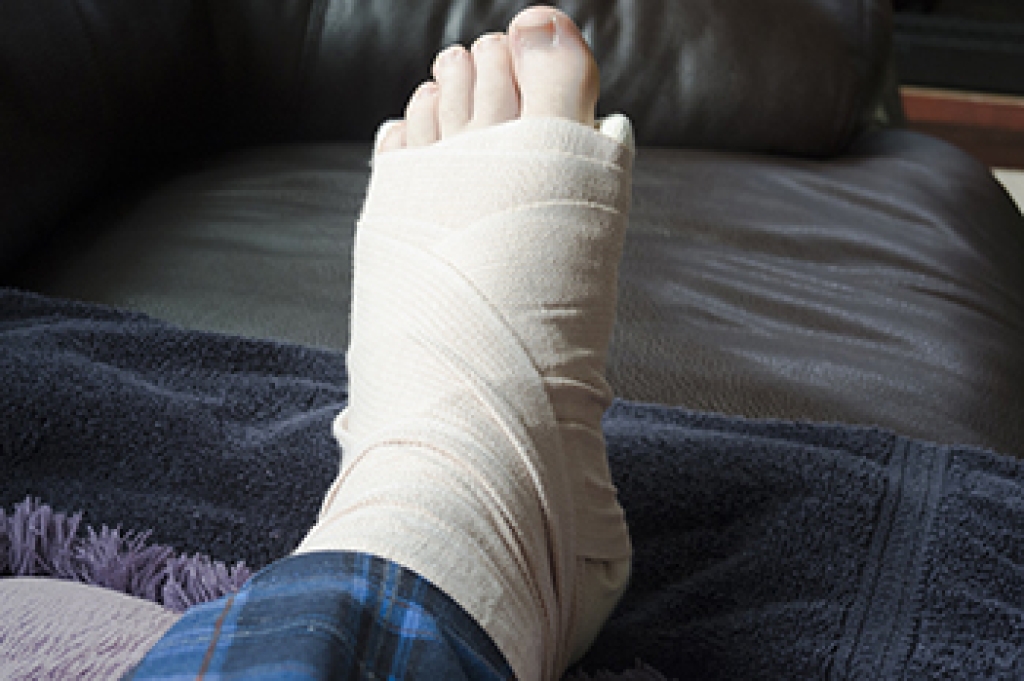
Swollen feet and ankles, also known as edema, occur when excess fluid builds up in the tissues of the lower extremities. This condition can affect one or both feet and may develop gradually or suddenly, depending on the cause. Edema is often a sign that the body is retaining fluid due to changes in circulation, pressure, or underlying health concerns. While mild swelling can be temporary, persistent or worsening symptoms may indicate a more serious issue that requires medical attention.

Common symptoms of swollen feet and ankles include visible puffiness, stretched or shiny skin, and a feeling of tightness in the affected area. Pressing on the skin may leave an indentation, which is known as pitting edema. Some individuals experience discomfort, reduced flexibility, or difficulty walking. Swelling may worsen after long periods of standing or sitting and improve with elevation. In more advanced cases, the skin may feel warm or appear discolored, which can signal inflammation or poor circulation.


There are several causes of swelling in the feet and ankles. Pregnancy is a common factor, as increased fluid volume and pressure from the growing uterus can affect blood flow. Medical conditions such as heart disease, kidney disease, and venous insufficiency can also lead to fluid retention. Injuries, infections, and certain medications may contribute to swelling as well. Lifestyle factors, including high sodium intake and lack of movement, can further increase the likelihood of developing edema.


Risk factors for swollen feet and ankles include prolonged standing, obesity, and chronic health conditions that affect circulation. Wearing tight or poorly fitted footwear may restrict blood flow and worsen symptoms. Individuals with a sedentary lifestyle or those who travel frequently may also experience fluid buildup. Managing swollen feet involves addressing the underlying cause and supporting healthy circulation. If you have swollen feet or ankles, it is suggested that you consult a podiatrist who can determine what the cause is, and offer effective relief and management tips.

Swollen feet can be a sign of an underlying condition. If you have any concerns, contact one of our podiatrists of Whitestone Podiatry PC. Our doctors can provide the care you need to keep you pain-free and on your feet.

Swollen feet are a common ailment among pregnant women and people who stand or sit for extended periods. Aging may increase the possibility of swollen feet and patients who are obese often notice when their feet are swelling too. There may be medical reasons why swollen feet occur:

  • Phlebitis - A condition that causes the veins to become inflamed and can also cause leg pain.
  • Liver disease - This may lead to low blood levels of albumin which is a protein. This can cause fluid in the blood to pass into the tissues and several areas of the body can become swollen.
  • Heart failure - When the heart doesn’t pump properly the blood that is normally pumped back to the heart can pool in the veins of the legs causing swollen feet.
  • Kidney disease - One of the main functions of the kidneys is releasing excess fluid in the body. This type of condition can make it difficult for the kidneys to function properly, and as a result the feet may become swollen.
  • Deep-vein thrombosis (DVT)- This is a serious condition where blood clots form in the veins of the legs. They can block the return of blood from the legs to the heart which may cause the feet to swell. It is important to be treated by a podiatrist if this condition is present.

Swollen feet can also be caused by bone and tendon conditions, including fractures, arthritis, and tendinitis. Additionally, there may be skin and toenail conditions and an infection may cause the feet to swell. Patients who take medicine to treat high blood pressure may be prone to getting swollen feet. 

Many patients elevate their feet to help relieve the swelling and this is generally a temporary remedy. When a podiatrist is consulted the reason behind the swelling can be uncovered and subsequently treated.

If you have any questions please contact our office located in Whitestone, NY . We offer the newest diagnostic and treatment technologies for all your foot and ankle needs.

Read more about Swelling of the Feet

Improving Foot Flexibility

Stretching the feet helps keep muscles, tendons, and joints flexible, making everyday movement easier and more comfortable. Healthy feet support balance, absorb shock, and help the body move efficiently while walking. As people age, the feet can become stiffer, reducing flexibility and increasing the chance of discomfort. Regular stretching helps maintain range of motion, which is the ability of a joint to move through its full motion. Stretching also supports better foot function and can improve stability. A podiatrist can evaluate foot flexibility and identify areas of tightness that contribute to pain or reduced mobility.

Several simple stretches improve flexibility in different parts of the feet. Toe stretches help maintain movement in the joints and reduce stiffness. Calf stretches improve flexibility in the muscles connected to the heel through the Achilles tendon. Rolling the foot over a small ball can gently stretch the arch and improve comfort. A podiatrist recommends stretches based on your foot structure, symptoms, and daily activities. Stretching works best when movements are slow and controlled rather than forced.  wearing shoes that lack proper support can increase strain on the feet, making flexibility even more important for comfortable movement. Regular stretching also helps prepare the feet for daily activities and supports better balance.

A podiatrist creates a stretching program that matches each patient's needs and goals. Treatment can also include custom orthotics and wearing supportive shoes to improve foot alignment and reduce stress on painful areas. Regular evaluations help monitor flexibility and identify changes before discomfort becomes more serious. Better flexibility can improve comfort, support healthier movement, and help the feet perform more efficiently throughout the day. Podiatric guidance also helps patients perform stretches correctly for the greatest benefit. If you have  foot pain or stiffness, it is suggested that you schedule an appointment with a podiatrist for additional guidance on effective foot stretches.

Stretching the feet is a great way to prevent injuries. If you have any concerns with your feet consult with one of our podiatrists from Whitestone Podiatry PC. Our doctors will assess your condition and provide you with quality foot and ankle treatment.

Stretching the Feet

Being the backbone of the body, the feet carry your entire weight and can easily become overexerted, causing cramps and pain. As with any body part, stretching your feet can serve many benefits. From increasing flexibility to even providing some pain relief, be sure to give your feet a stretch from time to time. This is especially important for athletes or anyone performing aerobic exercises, but anyone experiencing foot pain or is on their feet constantly should also engage in this practice.

Great ways to stretch your feet:

  • Crossing one leg over the others and carefully pull your toes back. Do 10-20 repetitions and repeat the process for each foot
  • Face a wall with your arms out and hands flat against the wall. Step back with one foot and keep it flat on the floor while moving the other leg forward. Lean towards the wall until you feel a stretch. Hold for 30 seconds and perform 10 repetitions for each foot
  • Be sure not to overextend or push your limbs too hard or you could risk pulling or straining your muscle

Individuals who tend to their feet by regular stretching every day should be able to minimize foot pain and prevent new problems from arising.

If you have any questions please contact our office located in Whitestone, NY . We offer the newest diagnostic and treatment technologies for all your foot and ankle needs.

Read more about Stretching Your Feet

Ankle Fracture? Don’t Wait for Treatment

If you're suffering from an ankle fracture, professional attention shouldn't wait. Fractures may worsen over time and can make completing everyday activities incredibly difficult. See your specialist for treatment and guidance through the healing process. 

How to Fit Shoes Properly for Comfort

Wearing shoes that fit properly is essential for maintaining foot health, preventing pain, and supporting daily activity. A well-fitted shoe provides adequate space, stability, and alignment for the foot while allowing natural movement. Shoes should match the shape of the foot and provide proper arch support and cushioning. Wearing ill-fitting footwear, whether too tight or too loose, can lead to discomfort and long-term complications. Choosing the correct shoe size and design is a key step in preventing avoidable foot problems.

Common foot conditions from wearing poorly fitting shoes include blisters, toe pain, and bunions. Shoes that are too loose can lead to instability, friction, and an increased risk of falls. Individuals may also experience heel pain or arch strain when support and cushioning are inadequate. These symptoms can interfere with walking and reduce overall comfort throughout the day.


Several risk factors contribute to improper shoe fit. Many individuals wear the wrong size due to changes in foot shape over time. Feet should be measured regularly to ensure an accurate fit, especially as aging, weight changes, or medical conditions can alter foot size. Proper shoes should grip the heel securely without slipping and allow enough room in the toe box. Selecting footwear designed for a specific sport or activity is also important, as different movements require different types of support and cushioning.


Wearing properly-fitted shoes can prevent many common foot conditions and improve overall comfort. Supportive design, proper sizing, and activity-specific features all contribute to better foot health. Taking the time to choose the right footwear can make a significant difference in daily mobility. If you have foot pain related to wearing shoes that do not fit right,it is suggested that you consult a podiatrist for effective relief tips and guidance on how to choose shoes that fit properly.

Finding a properly-fitting shoe is important in reducing injuries and preventing foot problems. For more information about treatment, contact one of our podiatrists from Whitestone Podiatry PC. Our doctors will treat your foot and ankle needs.

Proper Shoe Fitting

A common concern when it comes to foot health, having properly fitted shoes can help prevent injuries to the foot. Out feet affect our posture and gait, which in turn affects the biomechanics and overall bodily structure. With 33 joints, 26 bones, and over 100 ligaments, the potential for serious injury is much greater than one realizes. Although the feet cease growth in adulthood, they still change shape as they mature. Here are some factors to consider when it comes to investing in proper fitting shoes:

  • Be sure the shoes fit correctly right away
  • Ensure the ball of your foot fits comfortably in the widest portion of the shoes
  • Even though they may look fashionable, improper fitting shoes can either create adverse conditions or exacerbate existing ones you may already have
  • Walk along a carpeted surface to ensure the shoes comfortably fit during normal activity

Keeping in mind how shoes fit the biomechanics of your body, properly-fitting shoes are vitally important. Fortunately, it is not difficult to acquire footwear that fits correctly. Be sure to wear shoes that support the overall structure of your body. Do your feet a favor and invest in several pairs of well-fitted shoes today.

If you have any questions, please feel free to contact our office located in Whitestone, NY . We offer the newest diagnostic and treatment technologies for all your foot care needs.


Read more about Proper Shoe Fitting

Foot Pain and Arthritis

Foot pain can be a sign of arthritis, a condition that causes inflammation and damage within the joints. The feet contain many small joints that work together to support movement and balance, making them vulnerable to arthritic changes. Osteoarthritis, rheumatoid arthritis, and psoriatic arthritis are common types that affect the feet. Each type has a different cause, but all can lead to discomfort and reduced mobility if not treated properly.

Osteoarthritis is a degenerative condition that develops as cartilage wears down over time. This leads to joint stiffness, pain, and reduced flexibility. Rheumatoid arthritis is an autoimmune disease in which the immune system attacks the joints, causing inflammation, swelling, and joint deformity. Psoriatic arthritis is linked to psoriasis and results in joint pain along with skin changes. Each form of arthritis can affect the toes, midfoot, or ankle, depending on the severity and progression.


Symptoms of arthritis in the feet often include joint pain, swelling, and difficulty walking. Some individuals notice warmth surrounding the joints or a grinding sensation with movement. Pain may worsen after activity or long periods of rest. Over time, joint damage can lead to changes in foot structure, making it more difficult to wear shoes comfortably or maintain normal activity levels.


Risk factors include aging, autoimmune conditions, and previous joint injuries. Early diagnosis can help manage symptoms and slow progression. Treatment may involve wearing supportive footwear, orthotics, and medical management to reduce inflammation and improve function. If you have symptoms of arthritis in your feet, it is suggested that you consult a podiatrist for effective relief and management solutions.

Arthritis can be a difficult condition to live with. If you are seeking treatment, contact one of our podiatrists from Whitestone Podiatry PC. Our doctors can provide the care you need to keep you pain-free and on your feet.

Arthritic Foot Care  

Arthritis is a term that is commonly used to describe joint pain.  The condition itself can occur to anyone of any age, race, or gender, and there are over 100 types of it.  Nevertheless, arthritis is more commonly found in women compared to men, and it is also more prevalent in those who are overweight. The causes of arthritis vary depending on which type of arthritis you have. Osteoarthritis for example, is often caused by injury, while rheumatoid arthritis is caused by a misdirected immune system.

Symptoms

  • Swelling
  • Pain
  • Stiffness
  • Decreased Range of Motion

Arthritic symptoms range in severity, and they may come and go. Some symptoms stay the same for several years but could potentially get worse with time. Severe cases of arthritis can prevent its sufferers from performing daily activities and make walking difficult.

Risk Factors

  • Occupation – Occupations requiring repetitive knee movements have been linked to osteoarthritis
  • Obesity – Excess weight can contribute to osteoarthritis development
  • Infection – Microbial agents can infect the joints and trigger arthritis
  • Joint Injuries – Damage to joints may lead to osteoarthritis
  • Age – Risk increases with age
  • Gender –Most types are more common in women
  • Genetics – Arthritis can be hereditary

If you suspect your arthritis is affecting your feet, it is crucial that you see a podiatrist immediately. Your doctor will be able to address your specific case and help you decide which treatment method is best for you.

If you have any questions please feel free to contact our office located in Whitestone, NY . We offer the newest diagnostic tools and technology to treat your foot and ankle needs.

Read more about How to Care for Your Arthritic Foot

Connect With Us

scroll to top