If you're experiencing ankle pain, you may be suffering from an ankle injury. Sprains, fractures, Achilles tendonitis, and Achilles tendon ruptures are just some examples of potential ankle injuries. Don't wait for care for an ankle injury, as it may worsen over time. We can help!
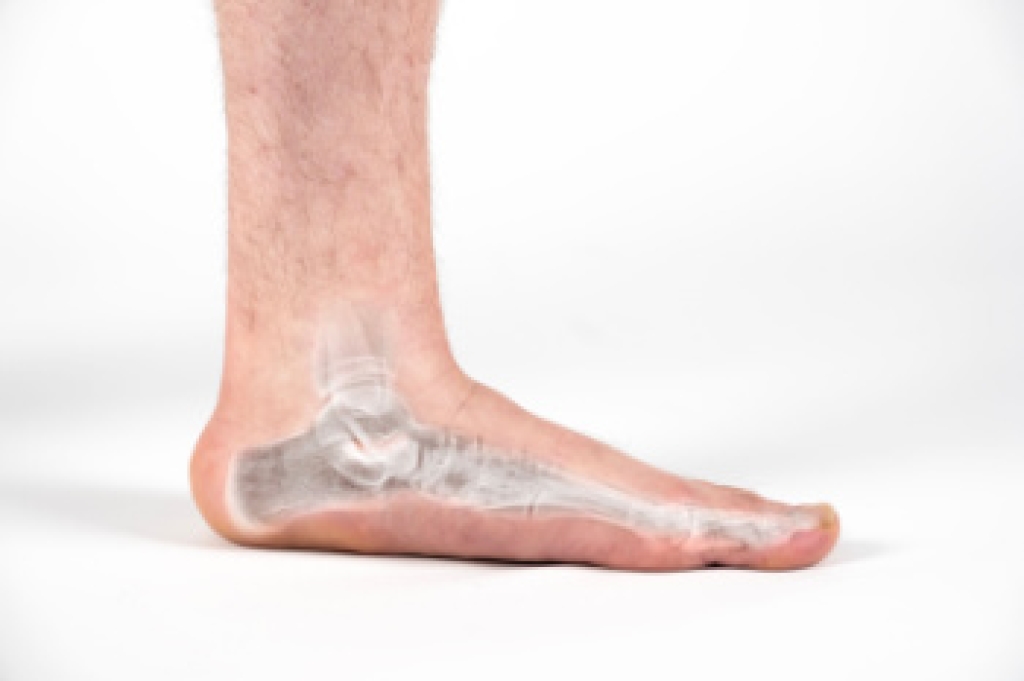
Flat feet, also called fallen arches, have little or no visible arch when standing. The entire sole touches more of the ground, changing how weight moves through the foot. Some people are born with flat feet, while others develop them later in life. Children frequently appear flat-footed because soft tissue hides the arch, which becomes more noticeable as they grow. Adults, however, can develop flatter feet after injury, aging, and weight gain. Conditions affecting muscles and tendons can also be factors. Some patients have no symptoms, but others notice discomfort, poor balance, or tired feet.
Flat feet can place extra stress on the ankles, knees, and lower back. The feet also roll inward more than normal while walking, which changes body alignment and increases strain. This motion can cause faster shoe wear and make daily activities less comfortable. Pain sometimes develops in the heel, arch, or ankle. Swelling can also appear after long periods of standing. A podiatrist examines the feet and watches how you move. Imaging studies may help confirm the cause of symptoms. Treatment includes custom orthotics that fit inside your shoes and improve foot support. A podiatrist often recommends shoes that provide proper support and fit correctly. Surgery may be needed to correct structural problems that cannot be managed with other treatments.
Early evaluation helps prevent ongoing pain and supports better movement. Prompt care also reduces stress on nearby joints and helps patients remain active. Ignoring persistent symptoms allows problems to become harder to manage. A podiatrist monitors changes, answers questions, and recommends treatment based on your foot structure and daily activities. Regular follow-up visits help measure progress and adjust treatment when appropriate. Healthy foot alignment improves comfort and confidence with every step. If you have foot pain related to flat feet, it is suggested that you schedule an appointment with a podiatrist for effective relief and management solutions.
Flatfoot is a condition many people suffer from. If you have flat feet, contact one of our podiatrists from Whitestone Podiatry PC. Our doctors will treat your foot and ankle needs.
What Are Flat Feet?
Flatfoot is a condition in which the arch of the foot is depressed and the sole of the foot is almost completely in contact with the ground. About 20-30% of the population generally has flat feet because their arches never formed during growth.
Conditions & Problems:
Having flat feet makes it difficult to run or walk because of the stress placed on the ankles.
Alignment – The general alignment of your legs can be disrupted, because the ankles move inward which can cause major discomfort.
Knees – If you have complications with your knees, flat feet can be a contributor to arthritis in that area.
Symptoms
Pain around the heel or arch area
Trouble standing on the tip toe
Swelling around the inside of the ankle
Flat look to one or both feet
Having your shoes feel uneven when worn
Treatment
If you are experiencing pain and stress on the foot you may weaken the posterior tibial tendon, which runs around the inside of the ankle.
If you have any questions, please feel free to contact our office located in Whitestone, NY. We offer the newest diagnostic and treatment technologies for all your foot care needs.
Toe pain is a frequent concern that can result from injury, pressure, or underlying toenail problems. The toenail is a complex structure made up of four key parts, including the nail plate, nail matrix, nail bed, and nail folds. Each of these components plays a role in nail growth and protection. Disorders can affect any of these areas, leading to discomfort and visible changes. Understanding the definition of toe pain and how toenail structures function can help identify early signs of problems and guide proper care.
Symptoms of toenail disorders often include pain, discoloration, thickening, or changes in nail shape. Deformities refer to visible changes in the nail’s structure, such as curving or lifting from the nail bed. Dystrophies involve changes in texture, including brittleness or rough surfaces. Individuals may also experience swelling or redness around the nail folds, especially if infection is present. These symptoms can affect walking comfort and may worsen without timely attention.
Risk factors for toe pain and toenail problems include wearing tight footwear, repeated trauma, and poor foot hygiene. Conditions such as fungal infections or ingrown toenails can also contribute to discomfort. Damage to the nail matrix can alter nail growth, while issues with the nail bed may affect attachment and stability. Additional causes include excessive moisture, improper nail trimming, and underlying health conditions. These factors can disrupt normal nail function and increase the likelihood of chronic problems.
Maintaining healthy toenails involves proper hygiene, careful trimming, and wearing well-fitted shoes that reduce pressure on the toes. Regular inspection of the nails can help detect early changes and prevent complications. Addressing symptoms promptly can support long-term foot health and comfort. If you have toenail problems or persistent toe pain, it is suggested that you consult a podiatrist for effective relief and treatment solutions.
Toe pain can disrupt your daily activities. If you have any concerns, contact one of our podiatrists of Whitestone Podiatry PC. Our doctors can provide the care you need to keep you pain-free and on your feet.
What Causes Toe Pain?
Most severe toe pain is caused due to a sports injury, trauma from dropping something heavy on the toe, or bumping into something rigid. Other problems can develop over time for various reasons.
Toe pain can be caused by one or more ailments. The most common include:
Trauma
Sports injury
Wearing shoes that are too tight
Arthritis
Gout
Corns and calluses
Hammertoe
Bunions
Blisters
Ingrown toenails
Sprains
Fractures (broken bones)
Dislocations
When to See a Podiatrist
Severe pain
Persistent pain that lasts more than a week
Signs of infection
Continued swelling
Pain that prevents walking
Diagnosis
In many cases the cause of toe pain is obvious, but in others, a podiatrist may want to use more advanced methods to determine the problem. These can range from simple visual inspections and sensation tests to X-rays and MRI scans. Prior medical history, family medical history, and any recent physical traumatic events will all be taken into consideration for a proper diagnosis.
Treatment
Treatments for toe pain and injuries vary and may include shoe inserts, padding, taping, medicines, injections, and in some cases, surgery. If you believe that you have broken a toe, please see a podiatrist as soon as possible.
If you have any questions please contact our office located in Whitestone, NY. We offer the newest diagnostic and treatment technologies for all your foot and ankle needs.
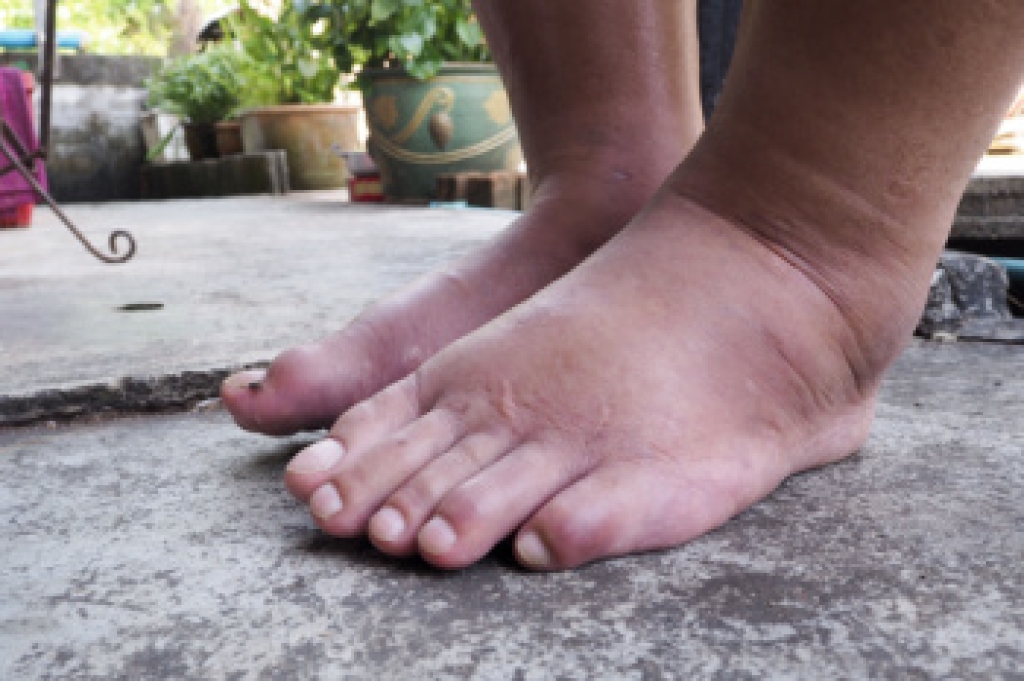
Swollen feet and ankles, also known as edema, occur when excess fluid builds up in the tissues of the lower extremities. This condition can affect one or both feet and may develop gradually or suddenly, depending on the cause. Edema is often a sign that the body is retaining fluid due to changes in circulation, pressure, or underlying health concerns. While mild swelling can be temporary, persistent or worsening symptoms may indicate a more serious issue that requires medical attention.
Common symptoms of swollen feet and ankles include visible puffiness, stretched or shiny skin, and a feeling of tightness in the affected area. Pressing on the skin may leave an indentation, which is known as pitting edema. Some individuals experience discomfort, reduced flexibility, or difficulty walking. Swelling may worsen after long periods of standing or sitting and improve with elevation. In more advanced cases, the skin may feel warm or appear discolored, which can signal inflammation or poor circulation.
There are several causes of swelling in the feet and ankles. Pregnancy is a common factor, as increased fluid volume and pressure from the growing uterus can affect blood flow. Medical conditions such as heart disease, kidney disease, and venous insufficiency can also lead to fluid retention. Injuries, infections, and certain medications may contribute to swelling as well. Lifestyle factors, including high sodium intake and lack of movement, can further increase the likelihood of developing edema.
Risk factors for swollen feet and ankles include prolonged standing, obesity, and chronic health conditions that affect circulation. Wearing tight or poorly fitted footwear may restrict blood flow and worsen symptoms. Individuals with a sedentary lifestyle or those who travel frequently may also experience fluid buildup. Managing swollen feet involves addressing the underlying cause and supporting healthy circulation. If you have swollen feet or ankles, it is suggested that you consult a podiatrist who can determine what the cause is, and offer effective relief and management tips.
Swollen feet can be a sign of an underlying condition. If you have any concerns, contact one of our podiatrists of Whitestone Podiatry PC. Our doctors can provide the care you need to keep you pain-free and on your feet.
Swollen feet are a common ailment among pregnant women and people who stand or sit for extended periods. Aging may increase the possibility of swollen feet and patients who are obese often notice when their feet are swelling too. There may be medical reasons why swollen feet occur:
Phlebitis - A condition that causes the veins to become inflamed and can also cause leg pain.
Liver disease - This may lead to low blood levels of albumin which is a protein. This can cause fluid in the blood to pass into the tissues and several areas of the body can become swollen.
Heart failure - When the heart doesn’t pump properly the blood that is normally pumped back to the heart can pool in the veins of the legs causing swollen feet.
Kidney disease - One of the main functions of the kidneys is releasing excess fluid in the body. This type of condition can make it difficult for the kidneys to function properly, and as a result the feet may become swollen.
Deep-vein thrombosis (DVT)- This is a serious condition where blood clots form in the veins of the legs. They can block the return of blood from the legs to the heart which may cause the feet to swell. It is important to be treated by a podiatrist if this condition is present.
Swollen feet can also be caused by bone and tendon conditions, including fractures, arthritis, and tendinitis. Additionally, there may be skin and toenail conditions and an infection may cause the feet to swell. Patients who take medicine to treat high blood pressure may be prone to getting swollen feet.
Many patients elevate their feet to help relieve the swelling and this is generally a temporary remedy. When a podiatrist is consulted the reason behind the swelling can be uncovered and subsequently treated.
If you have any questions please contact our office located in Whitestone, NY. We offer the newest diagnostic and treatment technologies for all your foot and ankle needs.
Stretching the feet helps keep muscles, tendons, and joints flexible, making everyday movement easier and more comfortable. Healthy feet support balance, absorb shock, and help the body move efficiently while walking. As people age, the feet can become stiffer, reducing flexibility and increasing the chance of discomfort. Regular stretching helps maintain range of motion, which is the ability of a joint to move through its full motion. Stretching also supports better foot function and can improve stability. A podiatrist can evaluate foot flexibility and identify areas of tightness that contribute to pain or reduced mobility.
Several simple stretches improve flexibility in different parts of the feet. Toe stretches help maintain movement in the joints and reduce stiffness. Calf stretches improve flexibility in the muscles connected to the heel through the Achilles tendon. Rolling the foot over a small ball can gently stretch the arch and improve comfort. A podiatrist recommends stretches based on your foot structure, symptoms, and daily activities. Stretching works best when movements are slow and controlled rather than forced. wearing shoes that lack proper support can increase strain on the feet, making flexibility even more important for comfortable movement. Regular stretching also helps prepare the feet for daily activities and supports better balance.
A podiatrist creates a stretching program that matches each patient's needs and goals. Treatment can also include custom orthotics and wearing supportive shoes to improve foot alignment and reduce stress on painful areas. Regular evaluations help monitor flexibility and identify changes before discomfort becomes more serious. Better flexibility can improve comfort, support healthier movement, and help the feet perform more efficiently throughout the day. Podiatric guidance also helps patients perform stretches correctly for the greatest benefit. If you have foot pain or stiffness, it is suggested that you schedule an appointment with a podiatrist for additional guidance on effective foot stretches.
Stretching the feet is a great way to prevent injuries. If you have any concerns with your feet consult with one of our podiatrists from Whitestone Podiatry PC. Our doctors will assess your condition and provide you with quality foot and ankle treatment.
Stretching the Feet
Being the backbone of the body, the feet carry your entire weight and can easily become overexerted, causing cramps and pain. As with any body part, stretching your feet can serve many benefits. From increasing flexibility to even providing some pain relief, be sure to give your feet a stretch from time to time. This is especially important for athletes or anyone performing aerobic exercises, but anyone experiencing foot pain or is on their feet constantly should also engage in this practice.
Great ways to stretch your feet:
Crossing one leg over the others and carefully pull your toes back. Do 10-20 repetitions and repeat the process for each foot
Face a wall with your arms out and hands flat against the wall. Step back with one foot and keep it flat on the floor while moving the other leg forward. Lean towards the wall until you feel a stretch. Hold for 30 seconds and perform 10 repetitions for each foot
Be sure not to overextend or push your limbs too hard or you could risk pulling or straining your muscle
Individuals who tend to their feet by regular stretching every day should be able to minimize foot pain and prevent new problems from arising.
If you have any questions please contact our office located in Whitestone, NY. We offer the newest diagnostic and treatment technologies for all your foot and ankle needs.