
Do you suffer from heel pain when you get up in the morning? If so, you should seek professional help and have a proper diagnosis performed. Heel pain can be caused by several different foot-related conditions.
Do you suffer from heel pain when you get up in the morning? If so, you should seek professional help and have a proper diagnosis performed. Heel pain can be caused by several different foot-related conditions.

Carrying extra body weight puts added strain on the feet every day. With each step, the heels and arches absorb more pressure than they are designed to handle. This can lead to heel pain, flattening of the arch, and aching in the ball of the foot. The joints may become stiff, tendons may feel sore, and the risk of arthritis increases over time. Some people also notice burning, swelling, or tired feet after standing or walking for short periods. Body fat can also affect how tissues function, which may increase discomfort beyond simple pressure alone. A podiatrist can examine how you stand and walk, check foot alignment, and measure areas of high pressure. Treatment includes custom orthotics, supportive bracing, and guidance to reduce stress on the feet and prevent further damage. If you have foot pain that may be related to excess weight, it is suggested that you make an appointment with a podiatrist for an exam, diagnosis, and treatment.
Obesity has become very problematic at this point in time and can have extremely negative effects on the feet. If you’re an obese individual and are concerned about your feet, contact one of our podiatrists from Whitestone Podiatry PC. Our doctors can provide the care you need to keep you pain-free and on your feet.
Obesity and Your Feet
Since your feet are what support your entire weight when standing, any additional weight can result in pain and swelling. Being overweight is one of the main contributors to foot complications.
Problems & Complications
Extra Weight – Even putting on just a few extra pounds could create serious complications for your feet. As your weight increases, your balance and body will shift, creating new stresses on your feet. This uneven weight distribution can cause pain, even while doing the simplest tasks, such as walking.
Diabetes – People who are overweight are at serious risk of developing type-2 diabetes, which has a drastic impact on the health of your feet. As you get older, your diabetes might worsen, which could lead to loss of feeling in your feet, sores, and bruises. You could also become more prone to various infections.
Plantar fasciitis – Pressure and stress that is placed on muscles, joints, and tendons can trigger plantar fasciitis, which is an inflammation of tissue that forms along the bottom of the foot.
If you have any questions, please feel free to contact our office located in Whitestone, NY . We offer the newest diagnostic and treatment technologies for all your foot care needs.
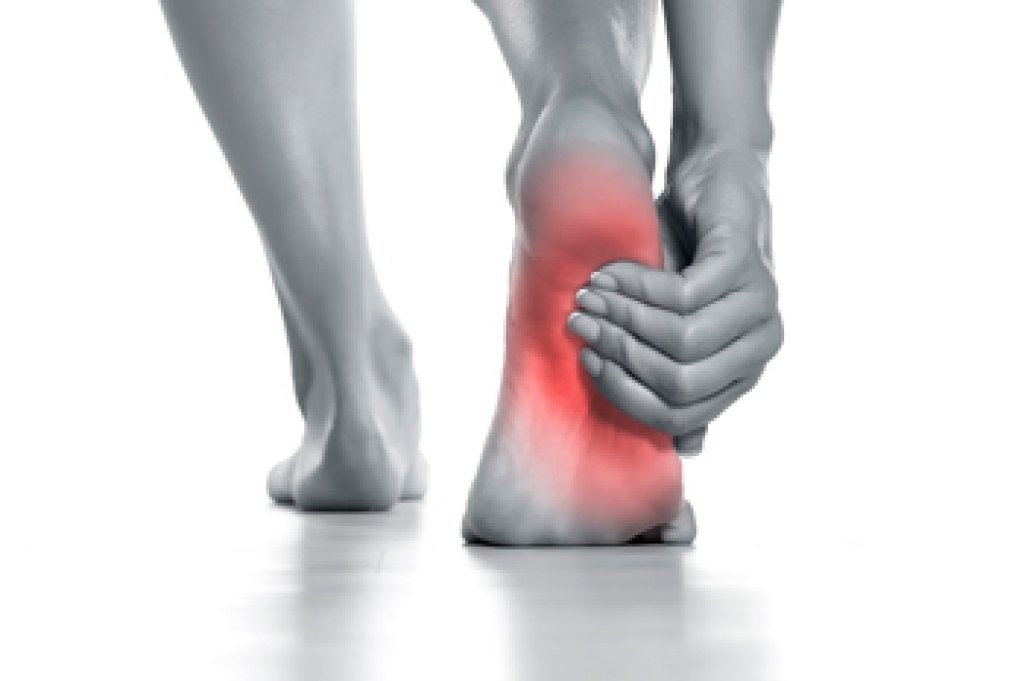
Foot arch pain can affect people of all ages and activity levels. It often develops when the structures that support the arch become strained or inflamed due to overuse, flat feet, high arches, or sudden changes in activity. Symptoms include aching, burning, or sharp pain along the inner or central part of the foot that worsens with standing or walking. The foot may look normal or show subtle swelling, and the arch can feel tender or fatigued, especially first thing in the morning or after long periods on the feet. A podiatrist can help by starting with a detailed history and physical examination, sometimes supported by imaging, to identify the exact cause. Treatment may begin with footwear guidance and custom orthotics, followed by targeted exercises, activity modification, and other therapies to reduce strain and improve support. If you have foot arch pain, it is suggested that you make an appointment with a podiatrist.
Foot Pain
Foot pain can be extremely painful and debilitating. If you have a foot pain, consult with one of our podiatrists from Whitestone Podiatry PC. Our doctors will assess your condition and provide you with quality foot and ankle treatment.
Causes
Foot pain is a very broad condition that could be caused by one or more ailments. The most common include:
Diagnosis
To figure out the cause of foot pain, podiatrists utilize several different methods. This can range from simple visual inspections and sensation tests to X-rays and MRI scans. Prior medical history, family medical history, and any recent physical traumatic events will all be taken into consideration for a proper diagnosis.
Treatment
Treatment depends upon the cause of the foot pain. Whether it is resting, staying off the foot, or having surgery; podiatrists have a number of treatment options available for foot pain.
If you have any questions, please feel free to contact our office located in Whitestone, NY . We offer the newest diagnostic and treatment technologies for all your foot care needs.

Drop foot is a condition where lifting the front of the foot becomes difficult, leading to dragging toes and changes in walking pattern. Specific exercises can support muscle activation and nerve communication involved in ankle and toe movement when guided by a medical professional. These exercises focus on strengthening muscles that lift the foot, improving ankle control, and enhancing balance to reduce fall risk. Gentle resistance movements, controlled ankle lifts, and coordinated gait drills help retrain proper motion. Stretching tight calf and foot muscles can improve foot positioning during walking. A podiatrist identifies the underlying cause, evaluates nerve and muscle function, and creates a structured treatment plan that may include supervised exercises, bracing recommendations, and ongoing monitoring to prevent secondary foot problems. If you have symptoms of drop foot, it is suggested that you make an appointment with a podiatrist for an exam, diagnosis, and treatment.
If you have any concerns about your feet, contact one of our podiatrists from Whitestone Podiatry PC. Our doctors can provide the care you need to keep you pain-free and on your feet.
Biomechanics in Podiatry
Podiatric biomechanics is a particular sector of specialty podiatry with licensed practitioners who are trained to diagnose and treat conditions affecting the foot, ankle and lower leg. Biomechanics deals with the forces that act against the body, causing an interference with the biological structures. It focuses on the movement of the ankle, the foot and the forces that interact with them.
A History of Biomechanics
Modern technological improvements are based on past theories and therapeutic processes that provide a better understanding of podiatric concepts for biomechanics. Computers can provide accurate information about the forces and patterns of the feet and lower legs.
Understanding biomechanics of the feet can help improve and eliminate pain, stopping further stress to the foot.
If you have any questions please feel free to contact our office located in Whitestone, NY . We offer the newest diagnostic and treatment technologies for all your foot and ankle needs.

Choosing the right running shoe plays an important role in foot comfort and preventing injuries. Start by considering where you run, as road, trail, and treadmill surfaces place different demands on the feet. Proper fit is essential, with enough room in the toe box to prevent pressure on the toes, while still holding the heel securely. Cushioning should match your body weight and running style, because too little may increase impact stress and too much can affect stability. Pay attention to shoe flexibility and how the sole bends, since this influences foot motion. Replacing running shoes is important because worn materials reduce protection for the feet. A podiatrist can evaluate your foot structure, gait, and running habits to recommend features that support movement and reduce strain. If you experience foot pain after running, it is suggested that you make an appointment with a podiatrist for an exam and treatment options.
For more information about walking shoes versus running shoes, consult with one of our podiatrists from Whitestone Podiatry PC. Our doctors can measure your feet to determine what your needs are and help you find an appropriate pair of footwear.
Foot Health: The Differences between Walking & Running Shoes
There are great ways to stay in shape: running and walking are two great exercises to a healthy lifestyle. It is important to know that running shoes and walking shoes are not interchangeable. There is a key difference on how the feet hit the ground when someone is running or walking. This is why one should be aware that a shoe is designed differently for each activity.
You may be asking yourself what the real differences are between walking and running shoes and the answers may shock you.
Differences
Walking doesn’t involve as much stress or impact on the feet as running does. However, this doesn’t mean that you should be any less prepared. When you’re walking, you land on your heels and have your foot roll forward. This rolling motion requires additional support to the feet.
Flexibility – Walking shoes are designed to have soft, flexible soles. This allows the walker to push off easily with each step.
If you have any questions, please feel free to contact our office located in Whitestone, NY . We offer the newest diagnostic and treatment technologies for all your foot care needs.
Connect With Us
